如何判断对手的进攻意图?(如何读懂对手的进攻意图?)
2026-03-16
Clarifying competitive strategies
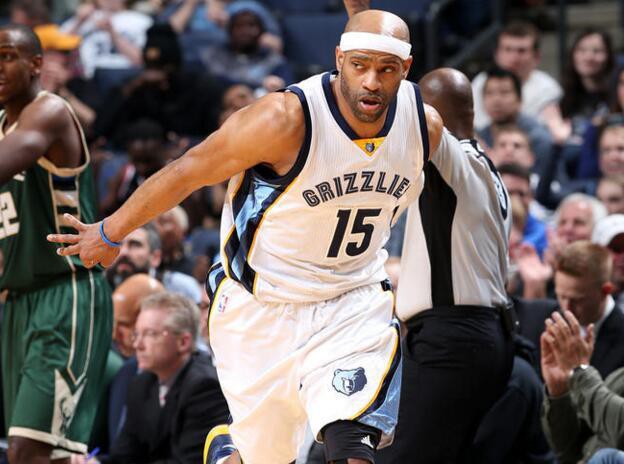
I think it's essential to clarify the context we're discussing, like whether it's sports (basketball or soccer), esports, chess, or business negotiation. I want to keep the framework general and applicable across these different domains, focusing on elements like cues, posture, timing, and risk indicators—while prioritizing safety and avoiding any mention of violence. Perhaps we can provide a short list of general cues and then some domain-specific examples for clarity. Let's keep this concise!Outlining competitive strategies
I’m considering various strategies for different contexts. For chess, I could mention tactics like pawn storms and king safety. In esports or MOBAs, there’s wave control and vision denial. However, I want to keep this high-level and avoid any mention of physically violent actions, especially in contexts like self-defense or street fights. If the user wants more details, I should emphasize de-escalation and safety. I think I’ll also include a clarifying question to better understand their needs.Defining attack intentions
I want to quickly define "进攻意图" as a combination of willingness, capability, and opportunity.
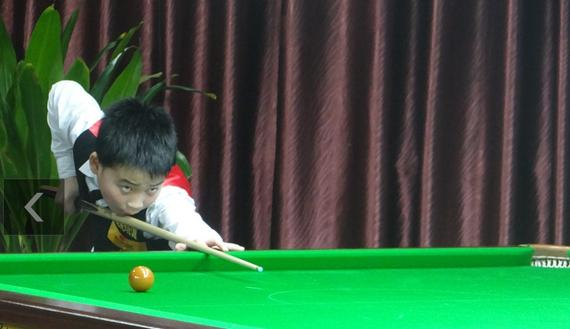
Next, I’ll outline some key signals to look for during competitive scenarios:
This gives a great foundation for understanding attack intentions!General competitive tactics
I’m considering some general tactics that can apply across various competitive scenarios.
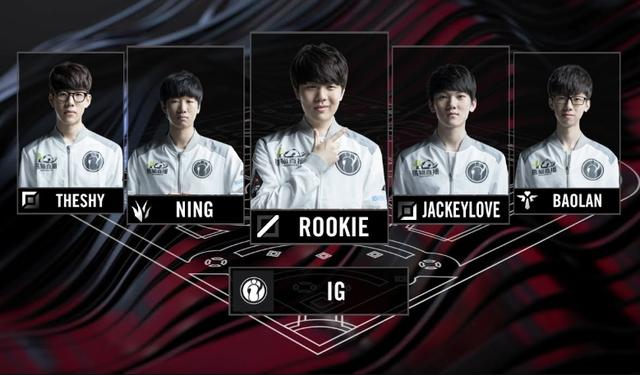
Then I can outline a practical process to track behavior, triggers, and focus on potential strategies like utilizing threat lines.
For example, in basketball, I'd look at an empty corner with a high pick-and-roll; in soccer, I’d note dropping players with an overlap.Crafting attack strategies
I want to summarize some key attack strategies across different contexts.
I think I can keep this list concise with about 4-6 bullets. At the end, it would be great to ask the user which domain they’re focusing on and offer to tailor a checklist for them!
要读懂“进攻意图”,核心是看三件事:是否想攻、是否能攻、是否有机会上。通用观察框架如下——适用于球类、棋类、电竞等对抗场景:
简易判断流程:
如果你愿意说明具体场景(篮球/足球、棋类、MOBA电竞、还是谈判/博弈),我可以给出对应的高频信号清单和实战例子。